
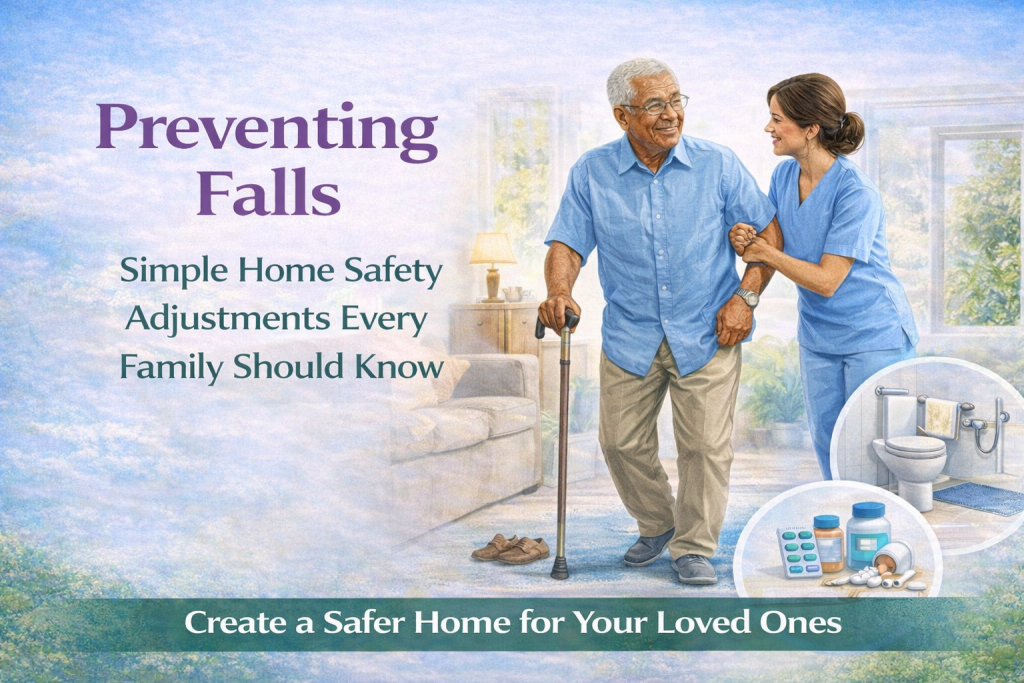
Falls are one of the leading causes of injury among older adults, people living with chronic illnesses, and patients recovering at home after hospitalization. A single fall can result in fractures, hospital readmission, loss of independence, and emotional distress for both patients and families.
The good news is that most falls are preventable. With the right home safety adjustments, caregiver techniques, and daily routines, families can significantly reduce fall risks and create safer, more dignified living environments.
At Igeno Gate Rwanda, fall prevention is a core part of our professional caregiving approach — because safety at home is the foundation of quality care.
Why Fall Prevention Matters in Home Care
Falls often happen due to a combination of:
-
Poor lighting
-
Slippery floors
-
Unsafe bathrooms
-
Muscle weakness or balance issues
-
Improper footwear
-
Lack of supervision or support
For elderly people and patients with limited mobility, these risks are even higher. Preventing falls:
-
Reduces emergency hospital visits
-
Preserves independence and confidence
-
Supports faster recovery
-
Lowers long-term healthcare costs
-
Protects emotional and physical wellbeing
1. Improving Lighting Throughout the Home
Poor visibility is a major cause of falls, especially at night.
Simple Adjustments
-
Ensure all rooms, hallways, and staircases are well lit
-
Install night lights in bedrooms, bathrooms, and corridors
-
Place light switches near beds and entrances
-
Use natural light during the day by opening curtains and windows
Caregiver Role
Caregivers ensure lights are switched on before movement and guide patients safely during night-time bathroom visits.
2. Making Bathrooms Safer
Bathrooms are among the most dangerous areas in the home due to wet and slippery surfaces.
Safety Modifications
-
Install grab bars near toilets and inside showers
-
Use non-slip mats inside and outside the shower
-
Raise toilet seats if needed
-
Ensure water temperature is safe to avoid sudden movements
-
Keep bathroom floors dry at all times
Caregiver Role
Caregivers assist with bathing, supervise transfers, and encourage slow, stable movements to prevent slips.
3. Reducing Floor and Walkway Hazards
Cluttered or uneven floors greatly increase fall risk.
Home Adjustments
-
Remove loose rugs or secure them with non-slip backing
-
Clear walkways of cords, furniture, and clutter
-
Repair uneven flooring or steps
-
Avoid slippery floor polish
-
Keep frequently used items within easy reach
Caregiver Role
Caregivers routinely inspect the environment and reorganize spaces to keep movement paths safe and clear.
4. Supporting Safe Mobility
Limited strength, poor balance, or improper walking techniques can lead to falls.
Supportive Devices
-
Walking sticks, walkers, or wheelchairs as recommended
-
Stable chairs with armrests
-
Bed rails (when clinically appropriate)
-
Proper footwear with non-slip soles
Caregiver Techniques
-
Assist patients when standing or sitting
-
Encourage slow position changes
-
Supervise walking, especially after illness or medication changes
-
Reinforce correct use of mobility aids
5. Bedroom Safety Adjustments
Many falls occur when getting in or out of bed.
Safety Tips
-
Adjust bed height so feet touch the floor when sitting
-
Place non-slip mats beside the bed
-
Keep a lamp or light switch within reach
-
Ensure walking aids are nearby
-
Avoid clutter near the bed
Caregiver Role
Caregivers assist with transfers and ensure patients are fully alert before standing.
6. Medication Awareness and Fall Risk
Some medications can cause dizziness, low blood pressure, or drowsiness.
Prevention Strategies
-
Review medications regularly with healthcare providers
-
Monitor side effects closely
-
Encourage hydration
-
Avoid sudden movements after taking medication
Caregiver Role
Professional caregivers monitor reactions, document concerns, and communicate with nurses or doctors promptly.
7. Strength, Balance, and Daily Routines
Maintaining physical strength reduces fall risk.
Daily Practices
-
Gentle exercises approved by healthcare professionals
-
Encouraging regular movement
-
Adequate nutrition and hydration
-
Proper rest and sleep routines
Caregiver Role
Caregivers motivate patients, assist with exercises, and promote consistent healthy habits.
How Igeno Gate Rwanda Supports Fall Prevention
At Igeno Gate Rwanda, fall prevention is not an afterthought — it is built into our Professional Caregiving Program and Family-Assigned Nurse Program.
Our caregivers:
-
Conduct home safety assessments
-
Identify fall risks early
-
Assist with environmental modifications
-
Provide supervised mobility support
-
Educate families on daily safety practices
-
Coordinate with nurses and healthcare facilities
We believe every person deserves to recover and live at home safely, confidently, and with dignity.
Conclusion
Preventing falls starts with awareness and simple home adjustments. By improving lighting, securing bathrooms, reducing floor hazards, supporting safe mobility, and involving trained caregivers, families can protect their loved ones from preventable injuries.
With the right guidance and professional support, home can remain a place of healing — not harm.
Igeno Gate Rwanda is your trusted partner in creating safer homes and healthier lives.
References (Light Blog Version)
-
Rwanda Ministry of Health (MoH).
Community Health Policy. Kigali, Rwanda. -
World Health Organization (WHO).
Falls Prevention in Older Age. -
World Health Organization (WHO).
Integrated Care for Older People (ICOPE) Guidelines. -
Centers for Disease Control and Prevention (CDC).
Important Facts about Falls. -
Rwanda Biomedical Centre (RBC).
Guidelines for Community and Home-Based Care.